
How to Build Confidence in Children Without Making Them Overconfident
A confident child can think, “I can try.” An overconfident child may think, “I already know everything.” Real confidence is based on experience, effort and self-awareness.
Let children do things themselves
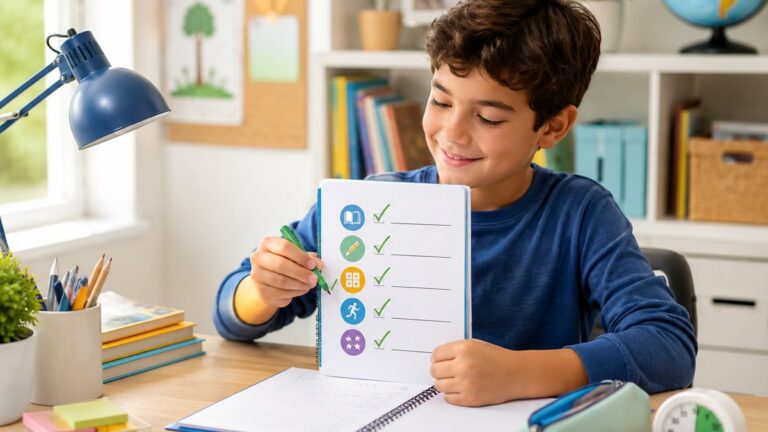
Show them, help when necessary and let them try again. “I did it” creates stronger confidence than praise alone.
Do not rescue every difficulty
Ask “What have you tried?” before giving the answer.
Praise specifically
“You kept working when that question was difficult” is more useful than constant exaggerated praise.
Let children be beginners
Nobody starts as an expert. Being willing to be imperfect is part of confidence.
Do not compare children constantly
Compare progress mainly with the child’s own previous performance.
Give real responsibilities
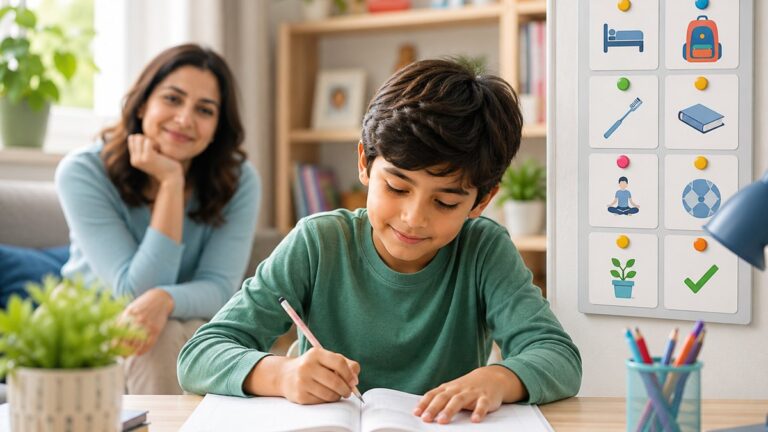
Let children order food, ask questions, manage belongings, lead a game or complete age-appropriate tasks.
Help shy children gradually
Use small steps: one familiar person → a small group → a short presentation.
Do not always let children win
Healthy confidence includes learning that losing one game does not reduce personal value.
Teach preparation
Confidence should not only mean “believe in yourself.” Often the stronger advice is “prepare yourself.”
Teach children to say “I don’t know”
Not knowing is not embarrassing. Pretending to know prevents learning.
Confidence should include kindness
Being good at something does not make another person less important.
Healthy confidence means being willing to participate, learn, accept feedback and keep growing.