How to Develop Good Habits in Children: A Practical Guide for Parents
Good habits are not created by one lecture. They grow through repetition, environment and example.
Start with one habit
Choose one small behaviour, such as putting the school bag in the same place after coming home. Once it becomes natural, add another.
Make the habit specific
“Be organised” is vague. “Pack tomorrow’s books before sleeping” is clear.
Use a fixed trigger
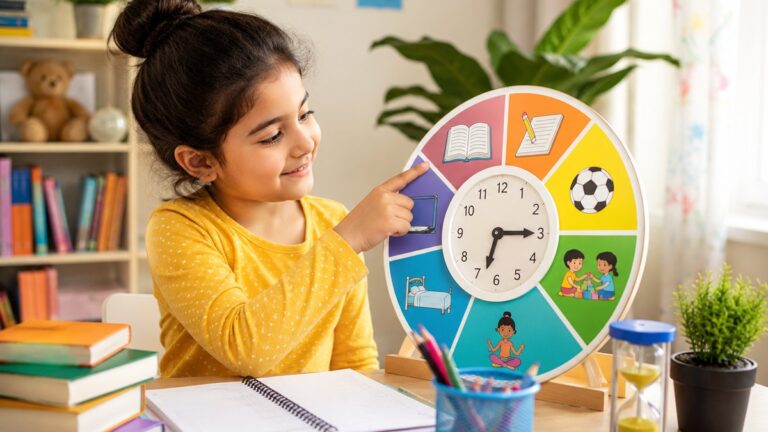
After waking → make the bed. After school → put shoes and bag away. After dinner → prepare for tomorrow. Before bed → brush teeth.
Model the habit
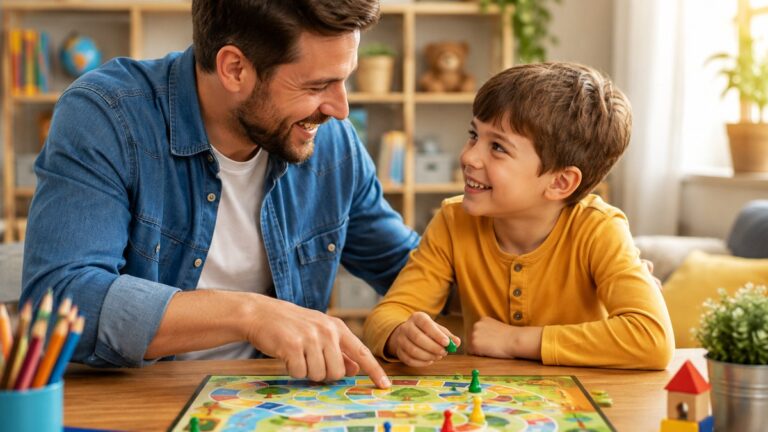
Children notice whether adults follow the same rules. If phones are banned at meals, adults should try to follow that rule too.
Reduce repeated reminders
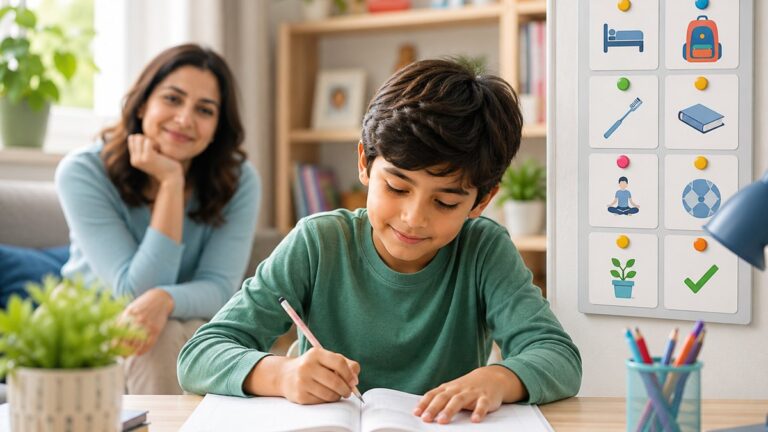
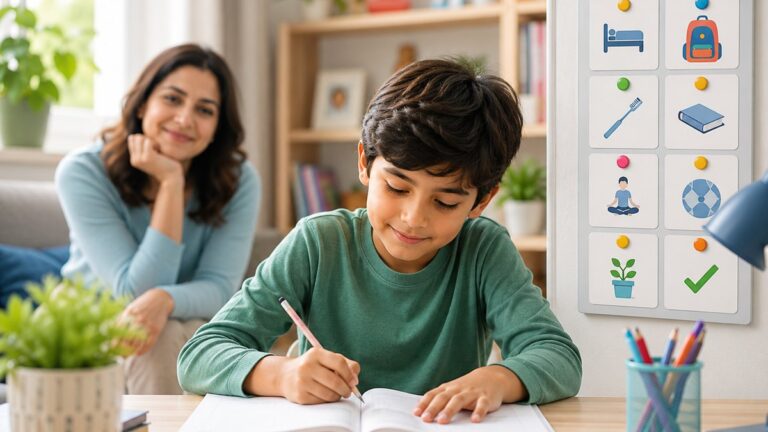
Give one clear instruction and allow the child a chance to act. Use checklists or visual cues for younger children.
Appreciate the behaviour specifically
Say, “You remembered to put your books away without being reminded,” rather than only “good boy” or “good girl.”
Do not reward every normal responsibility
Some habits should eventually be done because they are part of family life, not because every action earns money, sweets or screen time.
Give real responsibilities
Children can organise books, fill bottles, set the table, water plants or help with shopping. Responsibility is learned by doing.
Make good habits easier
Keep books visible if you want reading. Give toys an obvious storage place. Keep phones away during homework if you want focus.
Create family habits
“No phones at the table” works better as a family rule than as a restriction only for children.
Let children track progress
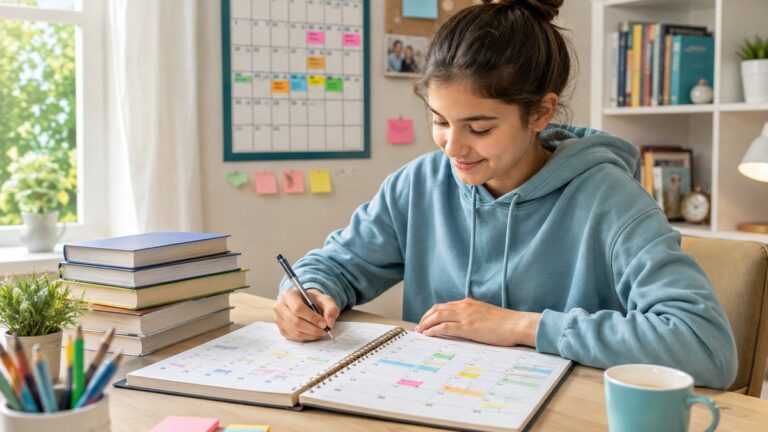
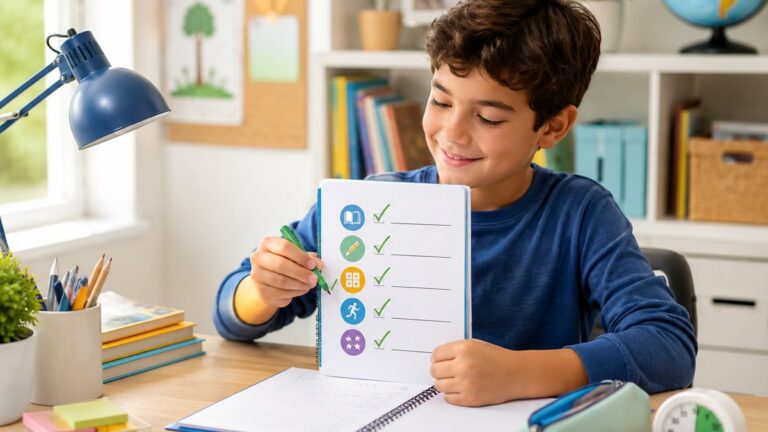
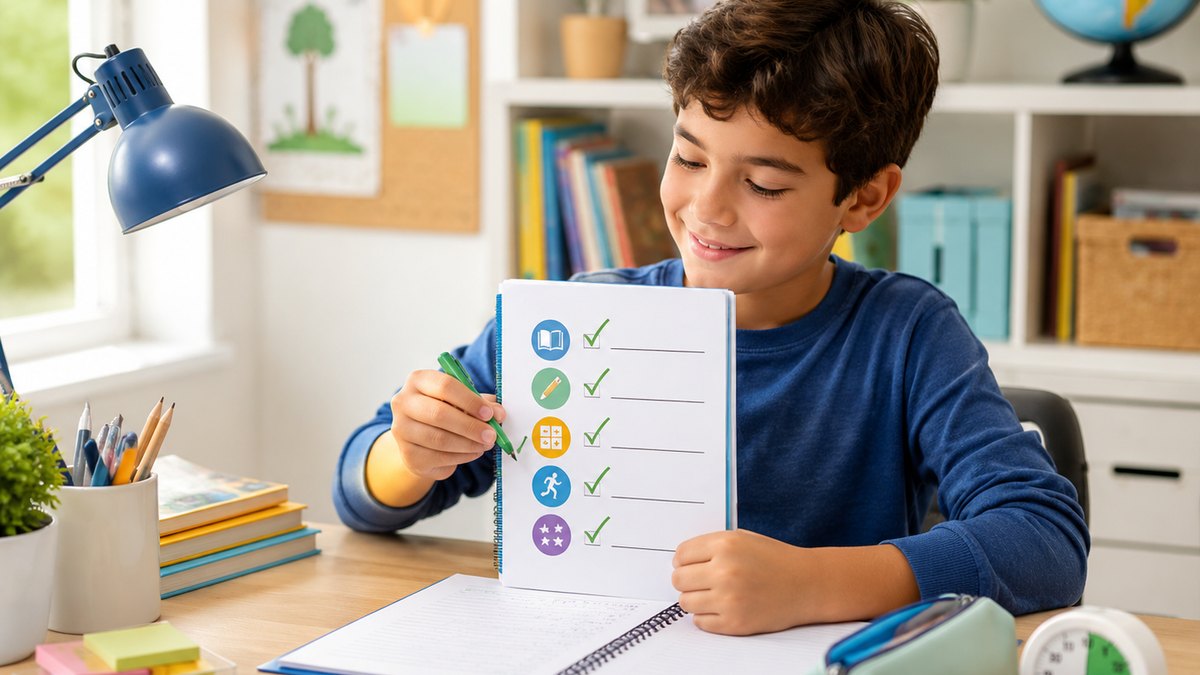
A simple one-habit tracker can make improvement visible without turning every day into a competition.
Habits take time. Children learn through seeing, doing, repeating and experiencing the results.