How to Develop Self-Discipline in Children Without Constant Punishment or Rewards
Self-discipline begins when a child gradually learns to do what matters even when no adult is standing nearby.
Move discipline slowly from parent to child
The goal is not permanent obedience to instructions; it is increasing self-management.
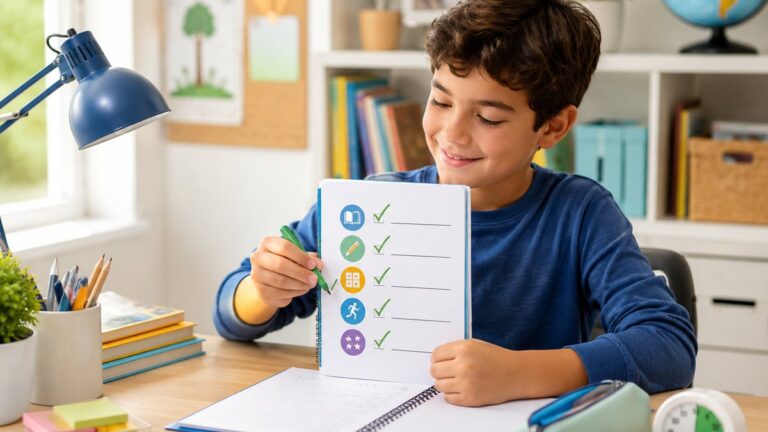
Start with small responsibilities
Pack the bag, put shoes away, finish one homework task or manage personal belongings.
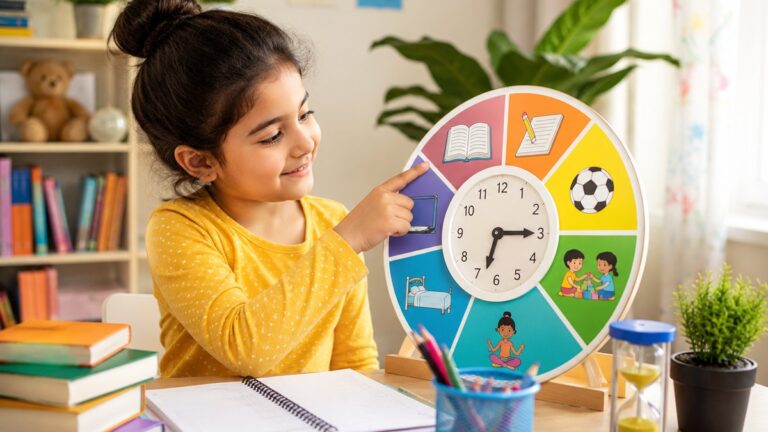
Create routines
Routines reduce repeated decisions and negotiation.
Reduce reminders gradually
Move from full instruction → one reminder → a question → independent action.
Do not use rewards for everything
Some responsibilities should eventually be done because they are simply part of life.
Do not make punishment the main system
Fear may stop behaviour temporarily; self-discipline requires understanding and internal control.
Teach delay of gratification
Important now, enjoyable later: homework before recreational screen time, save some money rather than spending everything immediately.
Keep temptations out of the way
Good discipline is partly environment design, not only willpower.
Let children make age-appropriate choices
The responsibility can stay fixed while the child chooses when or how to complete it.
Teach recovery
One bad day does not mean “I have no discipline.” Restart.
The long-term goal is a young person who can say: “This is my responsibility. I will do it.”